Showing posts with label Pick a Pea. Show all posts

Tuesday, July 3, 2012

A Healthy Level of Insanity

Okay, loyal readers, you've read our individual views of genre. It's a complex topic and as you've seen, even the Peas have similar yet differing opinions. Every writer will have his/her own view of genre and, indeed, of fiction as a whole. However, one issue that fiction often presents garners a nearly unanimous agreement: Fiction, regardless of genre, must be believable in the eyes of the reader. There's just one tiny problem with that statement. Fiction, by its very definition, isn't real. How can you make something that is wholly unbelievable seem believable? It's a paradox that drives authors insane. Fortunately, it's a healthy level of insanity so (for the most part) the Straightjacket Brigade stays far, far away.

Thomas C. Foster, in How to Read Novels Like a Professor, says this about the Un/Believable Fiction Paradox (a label I totally just made up on the spot here):
"...the essential artifice of the novel [is that i]t is a made-up work about made-up people in a made-up place. All of which is very real. We are asked to believe in and treat as potentially real a space that is manifestly imaginary." 
Think about it for a moment. Have you ever read a book set in a contemporary time/place that seems far-fetched even for a novel? Maybe the author failed to explain a crucial piece of world building, such as why a person suddenly takes on the appearance of a disco ball after joining ranks of the undead?* Writers, even science fiction and fantasy authors, constantly walk a tightrope between what is believable and what will cause a reader to stop reading. This tightrope is best summed up in the Law of Bogus Locales, as again stated by Foster: "Places in a work of fiction are never real but must behave as if real."

Essentially, the Law of Bogus Locales means that any real-world, identifiable locale in a novel is a fictionalized version of itself. A small Washington state town isn't the real town. Cincinnati, Ohio is a shadow of the real city. The same is true for St. Louis, Louisville, New York, Los Angeles, Hong Kong, London, Tokyo, and any other place that can be located on a map or through a Google search. The version you read in a book exists only in the author's imagination. But...there's still that annoying bit about believability. Someone familiar with the area around Grand Central Terminal in New York will know there's a restaurant called Pershing Square tucked beneath the Park Avenue Viaduct and that the Chrysler Building is to the left when exiting Grand Central on 42nd Street. If a writer places the Chrysler Building to the right, a reader who knows that area may stop reading. To have any reader stop reading your book before the end is a death knell for a writer. These are the issues that drive authors crazy, give us nightmares, keep up us awake at night, and force us to double--triple--check every fact before we send a book to the publisher. And even then we worry.

So what do we do? Well...we cheat. We're kids with Tinker Toys and Lincoln Logs; we build and we destroy. We add our own bits of flair. We fiddle with geography to suit our needs. We leave out certain information and trust our readers to fill in the gaps. Yes, we still get called out from time to time by readers who want to know why we did/didn't mention X, Y, or Z. The answers vary from author to author, but the main reason usually falls along the line of "X, Y, or Z didn't fit with the story I wanted to tell so I added/deleted it."

The truth I'm trying to convey here is that all writers suffer from some level of insanity, but it's a healthy level of insanity. We chose to walk the tightrope. We accepted the challenge issued by the Un/Believable Fiction Paradox. We do it because we love the thrill. We do it because we can't not do it.

Until next time...

Peas out.
J

* This is in no way a slam or slight against such an author. Merely a well-known example used to illustrate a point.

Tuesday, May 22, 2012

Licorice-flavored Brain Slugs and Faulkner

*Warning: This week's post is NSFW due to language. (In other words, it's J's turn!)

I have the Pod to myself this week. A is off giving a tour of an uncharted world. M has a queue of characters lined up for therapy. So this week you, dear readers, have to contend with the Resident Evil. Muwahahahahahaha!!!

What shall we discuss? Autopsy procedures? Crime scene screw ups? Sadistic serial killers and the women who love them? My hatred for the color pink? All of these are worthy topics but I'd actually like to offer up a bit of an explanation behind something that has been mentioned a few times on the blog already. If you read A's post in which she bared her writerly soul (and you should), then you undoubtedly read the following quote from yours truly:

"Pull your head out of your ass. Trust the story. Trust yourself, and WRITE, damn it!"

Yes, I said this. Yes, I stand behind it. I even have a version of it taped to my laptop as a reminder. While the meaning behind the statement is obvious, I still feel the need to explain how this simple phrase has become the unofficial official motto of the Ninja Peas.

It all started about a year or so ago when M was having a minor meltdown as all writers have from time to time. We all reach a point in a project where we hate everything we've written, everything we're currently writing, and everything we're going to write. In short, self-doubt slithers in like an alien slug, crawls undetected up our spines and burrows deep into our brains until we wake up one morning and question everything we've ever done, thought, planned, or plotted, and all we have left is a sudden and inexplicable love of elevator music, licorice jelly beans, and Faulkner. (If you know me then you know I detest all three. Yes, a former English major doesn't like Faulkner. Oh, the horror.) In an effort to help my friend and writing partner, I offered the best advice I could give...in my own way, of course. She has since passed this along to A and thus the unofficial official Ninja Pea motto was born.
Motto on J's laptop

Now this may sound like a bunch of self-aggrandizing bullshit. It's not. I'm fully aware of my insignificant place in the publishing world, and in the universe as a whole. However, I do know a thing or two about self-doubt and how it can kill a writer. So I'd like to offer up a little bit of hard-earned wisdom, not because I feel the need to stroke my own ego, but because if I can soften the blows for someone else (especially my Peas) then I will. No one can spare any writer the hard knocks. Those come with the territory and must be experienced. That's reality. But that doesn't mean you have to face them unprepared.

1. Pull your head out of your ass. Basically, as writers who actually want to see our names on bookstore shelves, we can't afford to have an obscured view of the publishing world. We can't have romanticized ideas of what it means to be a writer. We don't lock ourselves in a room for a few hours and fart out a manuscript. We write. We edit. We rewrite. We break down. We cry. We wail and gnash our teeth. We curl into blubbering balls of goo. It's normal. Writing is work...and yes, it's fucking hard work. It's not easy to live in your own head with imaginary people in a fantasy land for hours, days, weeks, months, or even years. But it is easy to get caught up in the minutiae of plotting, character arcs, and world building and forget to actually move the story forward by throwing words at the page. We have to pull our heads out of our asses and remember why we do this to ourselves so that when the self-doubt slugs creep into our brains and start doing the Electric Slide to elevator music we can blast them with AC/DC. Self-doubt slugs hate AC/DC.

2. Trust the story. The story knows where it needs to go. It's your job as the writer to guide it and make sure it's hitting certain check points. This is where the fucking hard work comes into play because you may not know all the check points. Yes, you've planned them out in advance but as often happens, the story wants to go in new directions. Don't fight it. Let it happen. Everything can be fixed in the rewrite phase, which by the way is more fucking hard work. Let the story do the Macarena. Unleash the screaming monkeys. Just don't stop throwing words at the page.

3. Trust yourself... This is the hardest part for many writers, thanks to the self-doubt slugs. Those little buggers feed on licorice jelly beans and leave slimy black residue in their wake. This residue eats away at the brain and causes the writer to question her ability to not only tell a story but to even form a coherent sentence. The slime cripples. Every writer has a different way of combating the slime. For me, walking away is the best defense. When the slime reaches critical mass, I shut down the laptop and walk away. I close up shop and spend a day or two on the couch either reading or watching Disney movies. Self-doubt slugs hate it when we read. Books are salt and it shrivels the slugs and dries the slime to a flaky and easily vacuumed powder. Disney movies are also great for this and not as big of a time investment as a book for when you're in a deadline crunch. Oh, deadlines...slugs love them. Have a liberal supply of salt handy.

As I Lay Dying
(Oh, dear gods, kill me now.
Don't make me read this crap!
Salt! I need the fucking salt!)
4. ...and WRITE, damn it! This is self-explanatory. Throw words at the page. They don't have to be good words. Those come in the rewriting phase. But you can't rewrite what you don't have. The self-doubt slugs are going to try to turn you into Faulkner. They will try to make you write like this:

"The path runs straight as a plumb-line, worn smooth by feet and baked brick-hard by July, between the green rows of laidby cotton, to the cottonhouse in the center of the field, where it turns and circles the cottonhouse at four soft right angles and goes on across the field again, worn so by feet in fading precision." - (As I Lay Dying 3.2)

Do. Not. Listen. To. The. Slugs. They. LIE! This is not good writing. This is the work of an overrated hack. (Yes, I said hack.) Just write the path is straight, worn by years of foot traffic, and cuts across the cotton field. BUT only if it's important to the story! Move the action. Move the characters. Move the story forward. Don't get caught up in the minutiae.

The first draft should be dirty and gritty and raw. You clean and polish and cook it later. The best way to combat the slugs is to write quickly and not give them time to burrow into your brain. Once they've become entrenched, they're hard to get out.

So... Pull your head out of your ass. Trust the story. Trust yourself, and WRITE, damn it!

Peas out,
J

Tuesday, March 20, 2012

Author Interview: Diana Rowland

Today the Ninja Peas are pleased to welcome fabulously talented author Diana Rowland to the Pod! (She's our first official published author interview. How cool is that?) If you aren't familiar with Diana and her work--and why aren't you?!--you should be. In addition to being a former police officer, morgue tech, and all-around awesome person, she writes both the Kara Gillian and White Trash Zombies urban fantasy series. A couple of things you, dear reader, should know about Diana before we continue...

1. Before pounding the keyboard for a living, she was a bartender, a blackjack dealer, a pit boss, a street cop, a detective, a computer forensics specialist, a crime scene investigator, and a morgue assistant.
Author Diana Rowland

2. She won the marksmanship award in her Police Academy class and has a black belt in Hapkido.

What does all this mean? Well, frankly, it means she can calculate the best angle and trajectory from which to completely kick your ass in a state-approved manner, and then to show there are no hard feelings, she can mix up a great drink and deal you into a friendly game of blackjack...just don't get caught cheating.

Now that you know a little about the author, you need to know a little about her writing. For those who aren't familiar with these series, here are the cover copies and cover art for the first book in each series. More information can be found at Diana's website for subsequent books.


Book 1 of Kara Gillian series
MARK OF THE DEMON

When Homicide Detective Kara Gillian finds traces of arcane power on a body, she quickly realizes that this is no ordinary murder. The serial killer known as the Symbol Man is a nightmare that Beaulac, Louisiana thought had ended three years ago, but now he's back for an encore and leaving every indication on the flesh of his victims that he is well-versed in demonic lore.


However, Kara is a Summoner of Demons, and may be the only cop on the city's small force who can stop the killer. Able to see and interact with a world most people can't, Kara must draw on her skills as a police officer and master of the arcane to stop the Symbol Man from killing again and possibly summoning something even she can't control.


But with a demonic lord of unearthly beauty and power haunting her dreams, and a handsome yet disapproving FBI agent dogging her waking footsteps, she may be in way over her head....

MY LIFE AS A WHITE TRASH ZOMBIE
Book 1 of White Trash Zombie series


Angel Crawford is a loser


Living with her alcoholic deadbeat dad in the swamps of southern Louisiana, she's a high school dropout with a pill habit and a criminal record who's been fired from more crap jobs than she can count. Now on probation for a felony, it seems that Angel will never pull herself out of the downward spiral her life has taken.


That is, until the day she wakes up in the ER after overdosing on painkillers. Angel remembers being in an horrible car crash, but she doesn't have a mark on her. To add to the weirdness, she receives an anonymous letter telling her there's a job waiting for her at the parish morgue--and that it's an offer she doesn't dare refuse.


Before she knows it she's dealing with a huge crush on a certain hunky deputy and a brand new addiction: an overpowering craving for brains. Plus, her morgue is filling up with the victims of a serial killer who decapitates his prey--just when she's hungriest!


Angel's going to have to grow up fast if she wants to keep this job and stay in one piece. Because if she doesn't, she's dead meat.


Literally.


If you're a regular reader, you may remember that A, M, and I discussed cover art a few weeks ago. While our opinions were varied and strong, I thought it would be fun to get another author's perspective on the matter. My first thought was to grill--uh, interview Diana because, as you can see, she has truly mind-blowing covers. Here's what she had to say on the subject:


Jeannie: Readers may often decide which books they want to read based solely on the cover. As an author, how important is it you that the cover art reflect the story you've written?

Diana Rowland: Cover art can be a very touchy subject with both authors and readers. For my part, I would definitely push back if I had a cover that depicted the story or characters in a way that I felt was radically different from how I’d written them. However, I also believe that a cover’s primary purpose is to sell the book. To that end the cover should be eye-catching, attractive, and give the reader a solid sense of what sort of story this is, e.g. if there’s a spaceship on the cover, the expectation is that it’s some sort of science fiction. That being said, I don’t think that a cover needs to illustrate the book down to the slightest detail, and it’s more important that it capture the overall feel of the book. The woman on the cover of the White Trash Zombie books doesn’t look exactly how I’ve described Angel, yet somehow those paintings perfectly capture who she is. (And yes, I LOVE my cover artist, Dan Dos Santos!)

J: Series covers can change over time as characters change. However, you had the experience of changing publishers with your first series. Has the difference in covers affected the Kara Gillian series? What is some of the reader feedback you've gotten about the difference (if you can share)?

Book 4 of Kara Gillian series
DR: The change in covers hasn’t affected the story or writing of the series, of course, but I think it’s changed the marketing. DAW very much wanted this series to be marketed as urban fantasy (which it is!), whereas I feel that Bantam wanted it to be marketed more to the paranormal romance side of things. I’m more comfortable with it being marketed as urban fantasy, not because I have anything against paranormal romance at all, but because this isn’t paranormal romance, and I think those readers would have grown frustrated over time with the lack of a major romantic plotline.

That being said, yes, I would have liked for all of the books to match, but in the long run I do think that the newer covers reflect the true nature of the series much better. But, oh, the reader feedback!! The reactions have run the gamut from cautious approval to virulent hatred, but I think that if the series had started out with the Dos Santos covers no one would have batted an eyelash. The majority of the less-than-positive feedback has been because the series as a whole doesn’t match, and I can certainly respect that avid readers could be disappointed in that.

J: You have a new "white trash" zombie series which sports some spectacular artwork from Daniel Dos Santos. Can you tell us a little about how these covers were created? Is he given a description of Angel and a basic outline for each book?

DR: I am the luckiest author in the world because I actually get to talk to my cover artist! For both of the White Trash Zombie covers, I’ve had extended telephone conversations and email exchanges with Dan where we’ve discussed the overall themes of the books, possible scenes, her appearance in general as well as specifics of how rotten she could be. Dan always asks me if I have an idea for the cover, I tell him that I have zero visual artistic sense and go ahead and give him a sample scene idea, and then he (thankfully!) ignores my suggestion and paints something a thousand times better. :-D

J:  The cover for EVEN WHITE TRASH ZOMBIES GET THE BLUES is definitely "trashy" but in a good way. What was your initial reaction to seeing it?

Book 2 of White Trash Zombies series
DR: SO. MUCH. LOVE!!!  Seriously, this is the perfect example of a cover capturing the feel of a book. Funny thing is that Dan and I had this particular cover discussion while I was at a Chik-Fil-A with my daughter. She was playing in the climby-playground thing while I was on the phone with Dan merrily describing rotting body parts and gunshot wounds and grungy, nasty settings… It wasn’t until I hung up with him that I realized that a woman and her two small children had been sitting behind me that whole time. Oops!

J: In addition to being an author, I know you're an avid reader. What are some of your favorite books covers, past and present? How important is the cover to you as a reader when choosing a book?

DR: A cover that’s obviously cheap or a bad photoshop job will turn me off of a book, simply because I tend to think that a sloppy cover will likely mean a sloppy book as well. (And, yes, I know this isn’t universally true.) I’m certainly drawn to covers that are striking (in a good way) or exceptionally creative or attractive, but beyond that I tend to use cover art as a guide to genre, and will gravitate toward the “look” that I’m in the mood for at that time.

Some of my favorite covers include the Jane True books by Nicole Peeler, and The Expanse series by James S. A. Corey, simply because they both have cover art that is interesting and striking, that perfectly conveys the tone and concept of the books.

J:  And now for every author's favorite question: What's next for Diana Rowland?

DR: I’ll be starting White Trash Zombie Apocalypse fairly soon, and at this time it looks as if that will be the end of that series. I have some other possible projects on tap, but nothing solid yet.

But, for the Kara Gillian fans, I can tell you that I’ll be working hard on the Demon series for a few more years. After all, there’s still a ways to go to finish up that whole story. We’re just now getting to the really good stuff!

J: Awesome insights, Diana! Thanks for hanging out with us. :-)

That's all, folks. Be sure to come back next week when we dish on...*drumroll*...The Hunger Games: Book vs. Movie! Until then...

Peas out.


Tuesday, February 21, 2012

One Pea Short of a Pod: Part Two


A Weekend at Oak Alley with J and M… continued


Day Two:

The mansion and oaks -- stunning.
There’s a certain kind of quiet one will experience whilst sleeping in an old quarter-house situated alongside the pastoral landscape of the Mississippi River Road. And at its heart, Oak Alley A.K.A. Bon Séjour -- even in all her glorious grandeur -- is merely a not-so-small country home. I’d forgotten how eerily quiet a country home could be.

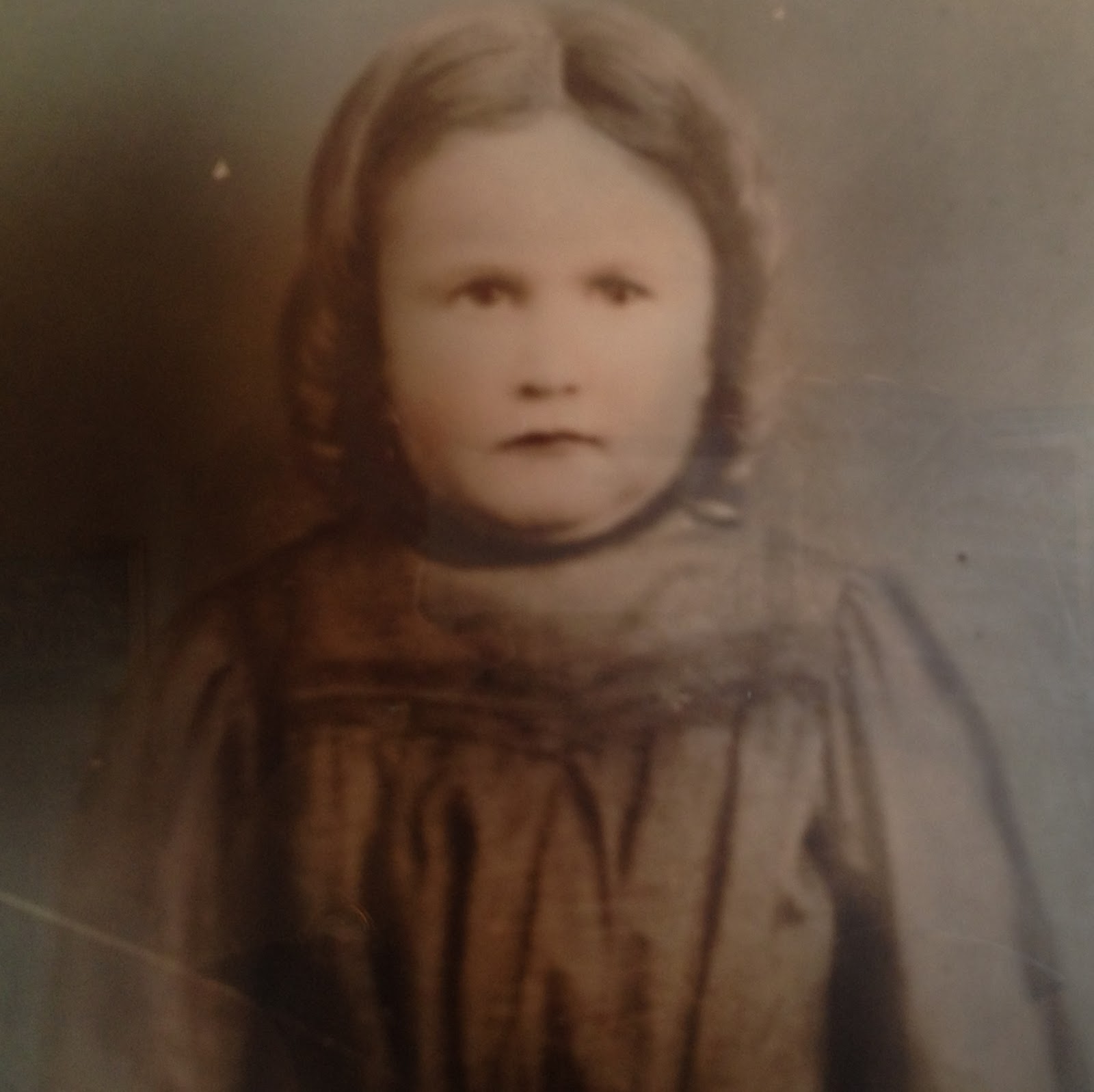
I woke with a start in the middle of the night to a mysterious creak coming from the next room. The living eyes of the child’s portrait -- dusted in the sick yellow glow of a nearby security light -- hung over my bed and glared down on me. I shivered. The fractured images of the dozens of people that must’ve died on the grounds over the estate’s long life flickered through my mind. I heard another creak. My palms sweated. My heart raced against an inexplicable mounting fear.

The child's photo over my bed.
Then, with a hiss of breath whispering from the next room, I remembered the mysterious voodoo dolls J had acquired the day before. I felt my body grow cold, rigid.

Not really.

The truth? J’s bed was incredibly squeaky and it caused me to giggle like a child at a sleepover every time she adjusted herself under the covers. And… it was crazy cold! I think our first night in Cottage 6 might’ve been the coldest January night in Valcherie, LA (sound familiar). As you may recall, we did have central heat and air, but M wasn’t getting out of bed to crank up the thermostat at 3am. Brr.

A few hours later, as daylight broke, I heard another creak, a frantic rustle of fabric, and a low groan. I peered around the door to spy J, shuffling off to the kitchen with a sheet over her head and mumbling something that sounded a bit like, “Goffeeeee...”

That was my only undead sighting of the Pea-treat.
J wakes early for a voodoo-doll-wielding-vampire.

We followed through with our plans to tour the mansion. Off to breakfast we ambled -- knowing more coffee (ie: liquid life) awaited us at the cafe. We were seated near a few tables of excited travelers, snowbirds from the north, and J and I did what we do best. We eavesdropped while noshing on our eggs and crispy bacon

Old typewriting in Cottage 6 -- fitting

After breakfast, we toured the house. With the clang of the bell, the doors opened and a period dressed lady met us. We went room by room, learning the history of the former residents since 1839 – the Romans, the Stewarts, and what little is known of those that came in between. Afterward, standing on the portico of the mansion, we sipped our icy lemonades as the winter wind whipped around us. We said to one another, “I don’t know about reclaiming our Mojo but this iced drink thing was a pretty ridiculous plan.” So we bundled our frostbite phalanges into the pockets of our coats and headed to the cottage for hot tea, lunch, and an afternoon of writing.

Having consumed a lovely broccoli cheese soup and sandwiches, which we cobbled together in our cottage kitchen, J set up her voodoo dolls and laptop at the bar. I settled onto the couch where I promptly emailed J -- formally requesting her participation in an interview for Court Street Literary Collective. (grin) “Really?” she said to me, unamused.

By late afternoon we’d consumed liters of tea and coffee, and were in need of an outing. Out the door we went -- but this time I had my fancy camera in tow. We wandering the grounds until after the tours closed for the night, snapping dozens of photos. Only the two of us and one other passive-aggressive photographer -- who we couldn’t decide whether he followed us because he wanted us to leave or he was frightened to be alone but too shy to say as much. Either way, the miraculous method in which he juggled his large camera whilst talking on his mobile will forever be remembered and may, or may not, be recorded for all time as a character trait in some future story.

Sunset reflections in a sugar kettle at Oak Alley
By dark, we were hungry and we headed back to the cottage where I offered to cook and promptly tried to burn the building to the ground. (Perhaps, a mild exaggeration?) Well, see… what had happened was… I left the Panko crusted fish under the broiler for a tad bit longer than intended. As I tried to rectify my folly, J entered the kitchen and said, “Um… Chel. It’s kinda smoky in here.” Not bothering to look at her, because I was fiercely scraping the burned bits off the top of the fish, I replied, “Yeah, I know. I know. The fish was a tad over broiled-” Silence. Then J said with a sternness that I’d not ever experienced before, “No! You don’t understand. It’s smoky in here…look!” So I did. As I looked above me, into the fifteen-foot ceilings of our quarter-house, I saw thick black smoke blotting out the ceiling light like an eclipse. Then, I watched it roil under the door casings into the adjacent dining and living areas like an evil Louisiana swamp fog. We looked at one another and promptly darted in opposite direction to open all the windows and doors before the fire alarm went off.

It was a crisis averted, until I sat down with my fish and inhaled its Panko crust into my lungs. The sting of fresh burnt Japanese breadcrumbs raked against my organ walls with each breath I took and I realized it was time to lick my wounds, curl under the covers, and call it a night. The fish was determined to get me one-way or another. I was convinced. Before the lights switched off, J said to me, “Maybe we need to go back to the gift shop and buy you one of those health warding voodoo dolls...”

One of the newer oaks by twilight.
Touché.

Tomorrow, one final installment of One Pea short of a Pod and my love affair with old trees exposed. I promise... it's almost over. I've fallen into a mire of gluttonous overwriting. It can't possibly last much longer. Better here than my manuscript. (grin)

Then, on our next featured Tuesday, Alexis will be a Pea in the Pages with some suggested reading and perhaps a review or two. She's been mad reading these days and I can't wait to see what books she's had her nose tucked into.

Tuesday, February 7, 2012

One Pea Short of a Pod: Part One


A Weekend at Oak Alley Plantation with J & M


Jan. 29th, 2012 -- 9pm

The trees did not disappoint.
This isn’t the first pseudo writing and inspirational retreat the Ninja Peas have undertaken. It is, however, the first one with central heating and wifi. Last year, I had the hair-brained idea to gather the Peas for a night in an Escatawpa River fishing cabin on what might’ve been the coldest February night in South Mississippi. We managed to keep warm by the fire, played word games, plotted, schemed, and laughed until we cried. But the best bit? We truly reinforced our friendship through a shared passion of writing (and a heartfelt desire to survive the night as armies of woodland mice took up arms against us). It was an unforgettable thirty-six hours and we vowed to do it again.

A bug's eye view of the mansion.
Sadly, this particular weekend at Oak Alley, we are one pea short of a pod. This Pea-treat was truly meant as a retreat. Both J and I were desperate to reclaim our mojo after a hectic holiday season and some productivity stumbling blocks. Plus, with one husband home sick and another just home all the time, it was time to remember why we’d taken our marriage vows many years ago. Absence does indeed make the heart grow fonder -- and a Pea-treat is the first defense against too much “quality time” with one’s significant other. So, J and I planned a spontaneous (in the span of four text messages) trip to reclaim our sanity. We were booked and ready to go to the haunted plantation of our dreams before either of us thought twice about whether it was actually a good idea (or really cleared it with our husbands…oops). Thus was the origination of a Pea-treat at Oak Alley.

Since our third pea is not so flexible with impulse trips, she will be missed and will be here with us in spirit. But worry not! We have a three-pea adventure brewing for the spring (and we promise to share the madness with you).


Day One:

We left Saturday morning with excitement roiling through our veins. Nothing could stop us! J and I had always dreamed of visiting Oak Alley (rumored to be haunted and film home of Louis from Interview with a Vampire). J was thrilled by the promise of a plantation estate filled with southern gothic flare and dark storytelling inspiration. Me? It was big, big trees and a chance to walk on the same ground as Brad Pitt’s stunt horse. Of course I was excited! Alas, this feverish anticipation was quickly subdued when we’d driven all of four minutes and I said, “Sh*t! I forgot my camera.”

Around we turned then tried again.

I'm so glad we didn't leave my camera behind.
Finally on our way, we rolled west on Interstate 10 toward the Mississippi River. It quickly became clear that the GPS my husband insisted we take (note: I just wanted to bring a map) was confused and bewildered by our decision to retrieve the camera. As I drove eighty miles an hour down the interstate, screaming at the tiny box suction-cupped to my windshield, I tried to reprogram the (cocky) taunting box. Meanwhile, J sat in the passenger seat, giggling, because my interaction with the box went a little something like this: “Yes! That destination. No, wait, that’s wrong. Yes! No. Yes? No! Wait... Yes! No. Yes!” and so on. What I learned from this experience? GPS… no. Map… yes.

After the argument with the tiny (cocky) box was settled, we had a relatively uneventful two and a half hour morning drive with great weather and light traffic. We had plenty of time to chat about what we both needed to accomplish on our pending projects, our hopes for new projects, and how we intended to divvy our time between work and play until our Tuesday morning departure. Ten miles from our exit traffic came to a standstill (as is typical of any drive on a several-mile long bridge over Louisiana swampland). After imagining and talking through several really, really horrible scenarios, we determined vampire alligators would be too sleepy this time of year to scale the bridge. So we were safe… for now. We did learn (if you can call wild speculation “learning”) our near one-hour delay was merely a little old lady and her purse puppy peeing on the side of the road (we can’t be sure who was doing the peeing).

Bridge over the mighty Mississippi.
Finally, we exited and headed toward our destination. We squeed with more excitement than any mere mortal should experience. So much so, I maniacally squeed and snapped photos whilst driving over the Mississippi River Bridge. J took a moment to cover her eyes and pray -- the river’s awesomeness just too much to bear. In retrospect, J’s reaction probably had more to do with my hands not being on the steering wheel and her water phobia than the greatness of the Mighty Mississippi. But, either way, it was pretty awesome.

We drove for the longest seven miles EVER… then we squeed! Again.

Our first impression of the plantation was one of elation (and copious amounts of squeeing). We jumped out of the car at the bottom of the levee and stood, gazing down the alley of oaks from the roadside. Mouths gaping, we stood in the middle of the road, tour buses driving around us, and J said to me, “Oh, yeah. We are so coming back here with Alexis next year.”

I agreed, diving out of the way of a fast-moving vehicle and into the gravel.

Cottage 6 was perfect.
We had lunch at the plantation’s restaurant then moved into our cottage -- but not before J did what she touted was the first and most important thing of the trip. She bought a small collection of voodoo dolls from the gift shop. (Should I be frightened?) After entering the cottage with the B&B attendant (as a murder of crows crept up from the sugar cane fields and flanked the cottage… seriously…) we were each handed a flashlight and told, quite seriously, “You must have these with you if you walk the grounds after dark.”

J’s response: (maniacal laugh) “S-weet!”

M’s response: (eyes J suspiciously, eyes voodoo dolls, eyes flashlight helplessly, and scans room for anything that could be used as a wooden stake)

Perusing the cottage, we found creepy dolls and an even creepier old portrait. But, all in all, the space was wonderful and had plenty of outlets. As J said to me after dinner (stroking the heads of her voodoo dolls and shuffling to her bedroom), “This is gonna be perfect!”

Sunset over the road our first night.
Our first night at Oak Alley ended with a sunset walk around the grounds, a quiet dinner in our lovely cottage, and inspiration teeming all around us. Mojo? I think we’ve stirred it with a single mouse dropping found in the back of the cabinet by the saucepan. It wouldn’t be a Pea-treat without at least one. After all, we’re staying in an old quarter house in the middle of a sugar cane field.

Next time? The conclusion to One Pea Short of A Pod: Weekend in Oak Alley with J and M. I know, I know. The anticipation might just be too much.

Tuesday, January 3, 2012

Pick a Pea: Michelle - Advice, Playgrounds, and an Invisible Giraffe Named Pete


Happy New Year from the Ninja Peas...


     We have an exciting year of blog topics, interviews, and games planned for you in 2012. Thanks for sticking it out in 2011 as we got our feet wet and hands dirty in this new joint blogging effort. We hope it's been as fun for you as it has for us. As we continue on this strange, random, and sometimes amusing journey, we look forward to sharing it with all our loyal readers (and maybe we'll gather a few some new ones along the way). Thanks for showing up! We'll continue to try to make it worth your while.

     Since we're spending the next week or two reconfiguring the blog schedule for the new year,  here's an old post from an old blog of mine to pass the time. I hope you enjoy.

     Until next week...

 Advice, Playgrounds, and an Invisible Giraffe Named Pete
(originally posted 3/3/11 at Under the Influence)

     I’ve heard a lot of advice about writing and the road to “authordom.” I listen to a lot, ignore a little, and manipulate the rest to suit my needs. But the truest and most helpful piece of advice I’ve ever heard was: surround yourself with the people you most want to be like.

     Seems like a no-brainer, right? I want to write and publish books. Therefore, I must surround myself with people who write and publish books. It’s easy in theory but when you spend too much time over-thinking it--like me--it becomes a little more difficult to execute.

     I should tell you that this one tiny piece of advice altered my worldview. (I know! Drastic, huh?) But when I finally understood it, I figured out what the difference between wanting to become a writer and becoming a writer meant. It’s kind of like recess in grade school. Wannabes stand on the outskirts and say, “I can do that!", "He’s doing it wrong!", "Oh, maybe I can’t do that after all...", "Maybe I’m not good enough.” But the real deals? Those are the kids that stop watching, stop over-thinking and jump into the mix, take risks, scrape their knees, and make grandiose plans for tomorrow’s recess.

     When I realized this, my first thought was, “Where do I find these people?” My second thought was, “Oh, crap! This is going to require me talking to people I don’t know.”

     Suddenly, it sounded like the worst advice I’d ever heard.

     Why? I hated recess. I was the kid sitting on the wall, alone, mumbling to myself while the other kids picked teams, made alliances, and subsequently turned on each other like rabid dogs during the chaos of an impromptu tether ball tournament organized by an eleven-year-old third grader named Spike. ::shudder:: Scary.

     Even as an adult I find social interactions stressful, difficult, and (often times) downright terrifying. One on one, I’m not too bad. But get me in a room full of people without a 12-pack of beer and I’m a wreck (and with the 12-pack, I’m a sloppy drunk. It’s a lose-lose situation). Being around people, interacting with them, well, it’s not my first choice of how to spend my day. I’d much rather write, read, or pluck the cat hair out of my living room rug. Those activities are safe--because there’s no risk of humiliation involved (until you post it in a blog or tweet it, but that’s a subject for another day). These activities require no filters between my brain and my mouth. Therefore, my blood pressure stays nice and low. I acknowledge that this sounds antisocial and completely mad. Well, that’s because it is. But I like it that way. I’m stress-free that way. (Now whether or not it’s good for me psychologically? That’s for a therapist to figure out.)

     What am I getting at? I’ve been an introvert since birth--it's true (and somewhat ironic). I was the little loner girl who had imaginary friends (yes, plural) that lived in the many nooks and crannies of the attic, the basement, and backyard. Various gnomes, fairies, unicorns, and a giraffe named Pete kept me company and kept my family in a constant state of confusion (especially when I insisted, night after night, that thirty-six extra place settings were required at the dinner table). My imagination has been my best friend these last three-plus decades, and it has never failed me, smacked me in the head and dubbed me the kooties-monster, or knocked over my science fair project whilst laughing maniacally. I embrace my propensity toward introversion and I believe most writers do to some extent. It’s why writers, especially fiction writers, acknowledge the voices of their adult imaginations without fear or a self-misdiagnosis of schizophrenia via Web M.D.

     My point? Surrounding myself with the people I most want to be like has been, and continues to be, the most difficult--yet rewarding--step I’ve made as a writer. It means putting myself out there in workshops, at conferences, and into conversations with people I don’t know. But the thing I didn’t acknowledge before is: these are my people (and they probably also have...um...had imaginary friends). These people just happened to realize, before I did, that you don’t get picked for a team if you don’t stand in line. Since then, I’ve made myself get off the wall--even when the bile rises in my throat because I think I’m going to say something stupid and everyone on the playground will think I’m weird and laugh at me. It’s right then that I force myself in line. And, in line, I get to hear the stories of the people who have been on the road to “authordom” (or in some cases paved the road to “authordom”) and who have traveled it with success and failure. Their stories make the whole game seem a little less scary. I get to learn from those who know the game. I endeavor to build friendships with them. They tell me how to best appease Spike. And I don’t feel that stab of loneliness when I realize I’ve been talking to a fourteen-foot tall invisible giraffe named Pete.

     Don’t misunderstand; people still terrify me. And I still love Pete. But the thing is, on the playground, the kids are playing the same game I want to play. And they're damn good at it. I want to be like them so why wouldn’t I jump in the middle of it all? The best advice is the advice that puts me on the right playground, with the right kids, and in the right game. And on this playground I hear all the best advice about game rules and improving my skills. That means I’m one step closer to finally getting picked.


Tuesday, December 13, 2011

Pick a Pea: Jeannie - What is Urban Fantasy?

We're one Pea short this week and next. (No, that isn't a euphemism to say we're insane...although it could be.) A is off visiting family so M and I are picking up the slack and hosting Pick A Pea posts! Basically, this is when we get to post anything and everything about whatever topic we choose. Recycling old posts from other blogs is also fair game. I mention this because that's precisely what I'm doing this week: recycling.

I posted the following articles "What is Urban Fantasy?" about a year ago on my personal blog, Wayward Muses and Shiny Objects, which is no longer being updated but has tons of posts on a variety of subjects so feel free to check out the archives. If you're familiar with the urban fantasy genre, you know it isn't easy to define. Everyone has their own opinions of what makes urban fantasy and what kicks a book over to the paranormal romance aisle or horror or mystery or whatever. Here is my take on the subject:

What is urban fantasy?

Urban fantasy is often defined as having supernatural/paranormal elements layered over our recognizable modern or near-future world. The setting is a large city such as Los Angeles, New Orleans, or St. Louis. Often the main character is female and the story is told in first person point of view. The story can have elements pulled from other genres such as science fiction, mystery, horror, and romance and woven together in a cohesive manner with varying degrees of emphasis placed on each of these genre elements. Primarily, the plot will consist of a mystery to be solved or a problem to be corrected before some great calamity strikes. Romance, if present, is usually a secondary plot. Character and story arcs often carry for multiple books. These are "The Rules" of urban fantasy.

We could spend hours if not days debating the finer points of what is or isn't urban fantasy. That is time we could spend doing more productive things, like writing the next book in a series or even the first book in a new series. For me, the definition hinges on the romance and if it's the main focus of the story or not because it's the easiest way to separate urban fantasy from its cousin, paranormal romance.

Where did it begin?

Most "experts" will point to the initial release of Laurell K. Hamilton's GUILTY PLEASURES (Book 1 in the Anita Blake series) in the early 1990s as the beginning of the genre's mass appeal to readers. However, I believe Anne Rice's INTERVIEW WITH THE VAMPIRE would also qualify as an early example of urban fantasy, even though the point of view character is male and much of the story is told as Louis's memories, the actual "interview" takes place modern times.

However, one could make a strong argument for finding urban fantasy's roots in the Romantic Movement in works such as Mary Shelley's FRANKENSTEIN, Bram Stoker's DRACULA, Charles Dickens's A CHRISTMAS CAROL, and Edgar Allan Poe's MASK OF THE RED DEATH, to name a few. You're probably thinking to yourself "But these are classics! How can they be urban fantasy?" The answer is simple: At the time they were written, they were set in the modern era, in urban centers, and carried an element of the supernatural. Time moves forward but the written word doesn't. It's fixed on the page.

Pinpointing the start of urban fantasy is difficult and open for debate. Suffice it to say the genre has steadily gained popularity is now one of the most widely read genres because of its broad appeal to readers of other genres.

What are some common elements?

The most common element is the supernatural. Whether the supernatural takes the form of vampires, werewolves, fairies, zombies, aliens, shapeshifters, or something else isn't set in stone. Nearly any creature can make an appearance in urban fantasy.

What is the difference between urban fantasy and paranormal romance?

The two share 90% of their genre DNA. However, the main differences are this: Urban fantasy focuses on an issue outside of a romantic relationship between two characters. Paranormal romance focuses on a romantic relationship between two characters and how outside forces affect that relationship. The best litmus test to determine if a story is urban fantasy or paranormal romance is to ask the following question: "If the romance between Character A and Character B were removed, would the plot still stand as a viable storyline?" If the answer is "yes," chances are good it's urban fantasy. If the answer is "no," it's most likely paranormal romance.

Okay, so that covers the basics of urban fantasy. Are we clear on what is and isn't urban fantasy? We've all got "The Rules" firmly fixed in our minds? Good.

Now forget everything I just said.

Why?

Because it's fiction. When Mary Shelley wrote FRANKENSTEIN, she wasn't concerned with a genre. She wanted to write a ghost story. She wanted to write fiction.

You want to write urban fantasy with a male protagonist? Do it. The "rule" that says you must have a female protagonist hasn't stopped Jim Butcher, nor did it stop Mary Shelley.

You want to write urban fantasy set in a post-apocalyptic world? Do it. Stacia Kane's Downside Ghosts series is a wonderful example of the broken "rule" that says it has to be a modern day or near future setting. You can even write a story set in the past. Edgar Allan Poe did. THE MASK OF THE RED DEATH uses the backdrop of the Black Plague for its setting even though Poe was writing in the 1800s, long after the plague had all but disappeared.

You want to write urban fantasy set in a small town? Do it. Look no further than the popularity of Charlaine Harris's Sookie Stackhouse series to see that small towns can be just as intriguing as large metropolitan areas. Charles Dickens's London wasn't the sprawling urban center it is today. Yes, it was still a large city but reading that story has the feel of being set in a smaller London.

You want to write urban fantasy with multiple character view points? Do it. Faith Hunter's Rogue Mage series began with BLOODRING and featured both first and third person points of view. Bram Stoker's DRACULA has multiple points of view and each is necessary to convey the story. This is important: The story dictates its needs. If it can be told from one character's point of view, great. However, if more than one is required, don't sweat it. There is no actual "rule" that says you can't have more than one.

My point is this: Urban fantasy is a label used to identify where a book falls in the publishing spectrum. At the end of the day, it's fiction. Aside from the basic rules of writing, such as grammar, spelling, and the structure of story, there are no rules. Some of the best fiction ever written has broken "The Rules." Urban fantasy as a genre has broken rules from Day One and it will continue to do so. In fact it'll be necessary for the next generation of urban fantasy writers to break even more rules.

Will we see urban fantasy set on distance worlds and trekking through the stars? I think so.

Will we see urban fantasy set in the Roman era with gladiators battling werewolves for the entertainment of thousands? It's possible.

This is fiction and in fiction, anything is possible.

Tune in next week for M's Pick A Pea! Until then...

Peas out.